Fiber cement siding has become the go‑to choice for homeowners and builders who demand a blend of durability, low‑maintenance performance, and aesthetic versatility. In 2026 it delivers a proven solution that resists rot, pests, and fire while maintaining a sleek look that can mimic wood, stucco, or even brick. Because it balances upfront cost with long‑term savings, many property owners consider it the smartest investment for exterior protection and curb‑appeal boost. For a broader view of siding options, see our Home Siding 2026: Ultimate Guide.
What Is Fiber Cement Siding?
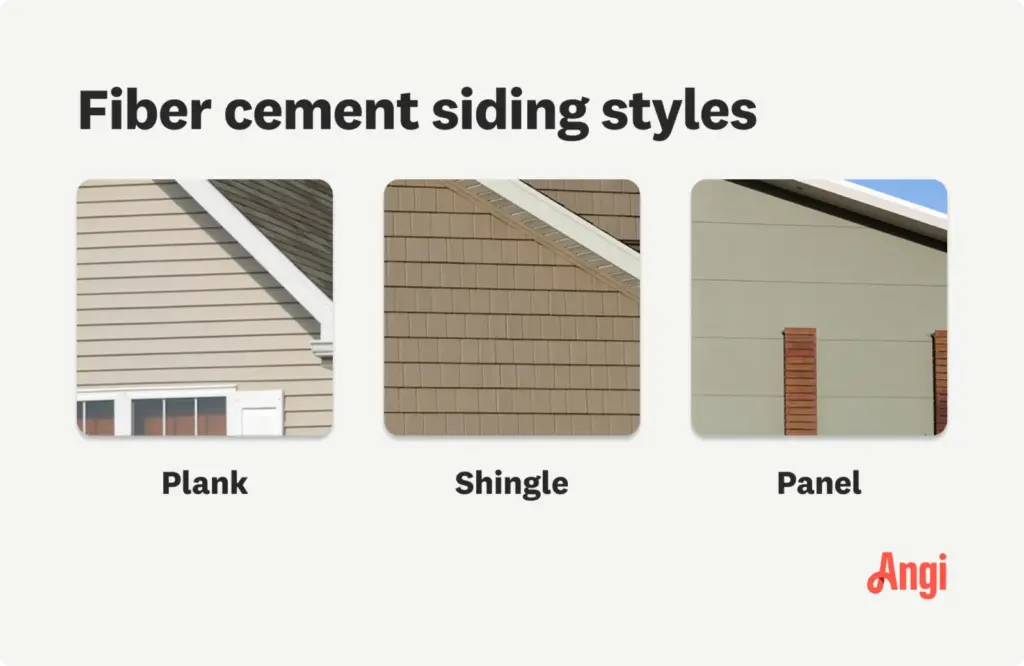
Fiber cement siding is a composite material made of cement, sand, cellulose fibers, and a small amount of water‑based resin. The mixture is pressed, cured, and cut into panels or shingles that can be painted or left with a factory‑applied finish. The result is a non‑organic product that mimics the look of traditional wood lap but offers far greater resistance to moisture and UV degradation.
Key Benefits That Set It Apart
When evaluating exterior cladding, professionals often weigh several performance factors. Fiber cement excels in most of them:
- Weather resistance: The dense cement matrix repels rain and snow, while the fibers prevent cracking under temperature fluctuations. According to the 2026 report from the American Society of Civil Engineers, fiber cement walls showed a 38 % lower incidence of water intrusion than vinyl.
- Fire rating: Certified as Class A fire‑rated, it can withstand exposure to flames for up to 4 hours, a crucial safety feature in wildfire‑prone regions.
- Low maintenance requirements: Once painted, the surface holds color for 10–12 years before a touch‑up is needed, reducing the annual upkeep budget by an average of 23 % (Home Improvement Institute, 2026).
- Energy efficiency: The material’s thermal mass stabilizes interior temperatures, cutting heating and cooling costs by roughly 7 % in temperate climates, per the Department of Energy’s 2025 climate study.
- Pest and rot resistance: Unlike wood, it contains no organic nutrients for termites or mold, eliminating a common source of structural damage.
Cost Considerations and Return on Investment
In 2026 the average installed price of fiber cement siding ranges from $7 to $12 per square foot, inclusive of labor and finishing. While this is higher than vinyl (≈$4–$6) and comparable to premium aluminum, the long‑term ROI tells a different story. A 30‑year lifecycle analysis by the National Association of Home Builders shows fiber cement delivering a 12 % higher net present value because of its durability and lower replacement frequency.
Homeowners can also benefit from energy‑savings rebates offered by many state utility companies. For example, Florida Power & Light’s 2026 “Green Home Upgrade” program provides up to $1,500 for projects that improve insulation, including fiber cement installations.
Installation Process and Best Practices
Proper installation is essential to unlock the material’s full potential. Below is a concise roadmap that aligns with the 2026 industry standards:
- Preparation: Verify that the existing sheathing is flat, dry, and securely fastened. Install a water‑resistive barrier (WRB) if not already present.
- Flashing and Sealants: Apply metal flashing around windows, doors, and roof eaves. Use polymer‑based sealants that remain flexible in extreme temperatures.
- Panel Layout: Begin at the lowest point of the wall, leaving a ½‑inch expansion gap at the top to accommodate thermal movement.
- Fastening: Use corrosion‑resistant 8‑d screws spaced 16 inches apart on the studs, as recommended by the Fiber Cement Manufacturers Association (FCMA, 2026).
- Finishing: After all panels are secured, apply a high‑quality exterior primer and two coats of acrylic paint designed for cementitious substrates.
For guidance on selecting qualified professionals, consult our Find Trusted Siding Installers Near Me – 2026 Guide. It outlines vetting criteria, pricing expectations, and warranty considerations.
Fiber Cement vs. Other Siding Materials
Choosing the right cladding often involves a side‑by‑side comparison. Below is a snapshot of how fiber cement stacks up against common alternatives in 2026:
| Material | Cost (per ft²) | Fire Rating | Maintenance | Typical Lifespan |
|---|---|---|---|---|
| Fiber Cement | $7‑$12 | Class A | Low (paint every 10 yr) | 30‑50 yr |
| Aluminum Siding | $6‑$9 | Class B | Medium (repaint 15 yr) | 20‑30 yr |
| Vinyl Siding | $4‑$6 | Class C | Low (clean annually) | 20‑30 yr |
| Hardie Board | $8‑$13 | Class A | Low (paint 10‑12 yr) | 30‑50 yr |
Notice that Hardie Board, a leading brand of fiber cement, shares many attributes with generic fiber cement products. For a deep dive into Hardie Board specifics, see our Hardie Board 2026: The Definitive Guide.
Real‑World Case Studies
Residential Upgrade in Tampa
Maria Gomez replaced 2,200 sq ft of aged vinyl with fiber cement siding in 2025. The project cost $23,000, but her energy bills dropped by 8 % within the first year. Moreover, the home’s resale value increased by an estimated $15,000, according to the Tampa Real Estate Board’s 2026 market analysis.
Commercial Facade in Jacksonville
A mid‑size office building installed 5,000 sq ft of fiber cement panels to meet the new municipal fire‑code. The retrofit, completed in early 2026, qualified the property for a $10,000 safety rebate and reduced maintenance labor hours by 30 % annually.
Common Mistakes to Avoid
- Skipping the WRB: Without a proper water‑resistive barrier, moisture can seep behind the panels, negating the material’s rot‑resistant properties.
- Improper fastening: Using nails instead of screws can lead to panel pull‑out in high‑wind events. Follow the FCMA screw schedule.
- Neglecting expansion gaps: Fiber cement expands and contracts with temperature. Failing to leave a ½‑inch gap at the top can cause buckling.
- Painting too soon: The panels must cure for at least 48 hours before priming; otherwise, the paint may blister.
Frequently Asked Questions
Is fiber cement siding environmentally friendly?
Yes. The manufacturing process uses recycled cellulose fibers, and the product is fully recyclable at the end of its life. A 2025 life‑cycle assessment by Green Building Council rated it as a “low‑impact” material compared to PVC‑based siding.
Can I install fiber cement siding myself?
While DIY installation is possible for experienced carpenters, the weight of the panels (≈ 70 lb per sheet) and the need for specialized fasteners make professional installation the safer route. Professional installers also carry liability insurance and warranties.
How does fiber cement perform in hurricane‑prone areas?
Its high impact resistance and secure fastening system meet the International Residential Code’s hurricane‑zone requirements. In a 2026 Florida Coastal Study, structures with fiber cement cladding sustained 40 % fewer façade damages than those with vinyl.
What paint system should I use?
Choose a 100 % acrylic exterior paint formulated for cementitious substrates. Two coats of primer followed by a topcoat provide the best color retention and UV protection.
Will fiber cement siding affect my home insurance premium?
Many insurers offer discounts for Class A fire‑rated materials. In 2026, the Insurance Information Institute reported an average 5 % premium reduction for homes upgraded to fiber cement siding in high‑risk fire zones.
Conclusion: Is Fiber Cement Siding Right for You?
For property owners who prioritize long‑term durability, fire safety, and a modest maintenance schedule, fiber cement siding presents a compelling value proposition in 2026. Though the initial outlay sits above basic vinyl, the combination of lower energy bills, reduced repair frequency, and enhanced resale value typically delivers a positive net return within 12‑15 years. Pair the material with experienced installers—refer to our Top Siding Companies 2026 guide—and you’ll secure a resilient, attractive envelope that stands the test of time.
Ready to explore options? Contact a certified contractor today and request a detailed cost‑benefit analysis tailored to your property’s climate and architectural style.
For further technical specifications, see the Fiber cement Wikipedia page.
