Choosing the right siding for your house is the single most effective way to boost curb appeal, lower energy bills, and protect the structure from weather‑related damage; the decision hinges on climate, budget, and long‑term maintenance goals. For homeowners in 2026, modern materials like fiber‑cement, vinyl, and insulated panels offer measurable performance gains, and understanding these options now prevents costly remodels later. If you’re weighing choices, start by reviewing the Hardie Board Siding 2026 guide, which breaks down durability, cost, and return on investment (ROI) for one of the market’s top performers.
Why Siding Matters: Core Benefits for Modern Homes
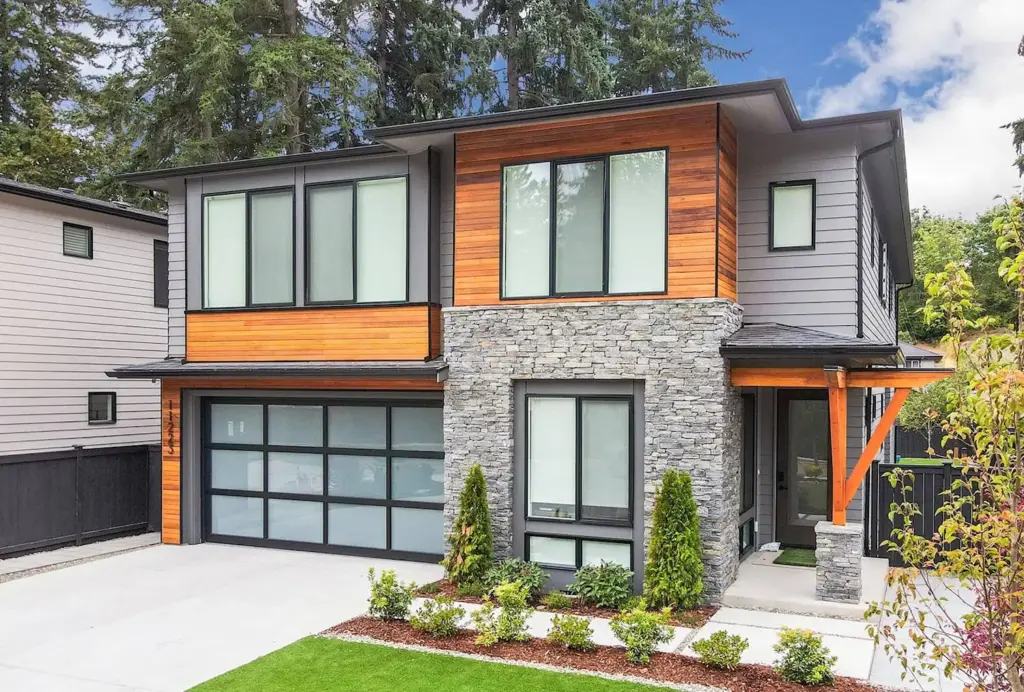
Exterior cladding does more than look good. In 2026, the National Association of Home Builders (NAHB) reports that high‑performance siding can reduce heating and cooling loads by up to 15 % when paired with proper insulation. This translates into lower utility bills and a smaller carbon footprint—key concerns for environmentally conscious buyers. Additionally, quality siding shields the underlying framing from moisture intrusion, pest infestation, and UV degradation, extending the home’s lifespan by decades.
Energy‑efficient siding options
Materials such as insulated vinyl and fiber‑cement panels incorporate built‑in foam layers that act as thermal breaks. According to the U.S. Department of Energy’s 2025 Energy Saver report, homes with insulated siding see an average energy savings of 5‑10 % compared with traditional uninsulated cladding. For hot, humid climates, these panels also deter heat gain, while in colder regions they help retain warmth.
Maintenance and longevity
Homeowners often ask which siding requires the least upkeep. Vinyl and fiber‑cement are both low‑maintenance; a yearly wash with mild soap removes most grime, and no painting is required for the first 15‑20 years. In contrast, wood siding may need repainting every 3‑5 years and is prone to rot if not properly sealed.
Comparing the Most Popular Siding Materials in 2026
- Fiber‑cement (e.g., Hardie Board) – Offers the look of wood with superior fire resistance (Class A rating) and excellent wind durability up to 150 mph. Average cost: $8‑$12 per sq ft installed.
- Vinyl siding – The most economical choice, available in a wide range of colors and profiles. New insulated vinyl options range from $5‑$9 per sq ft installed, delivering modest energy savings.
- Engineered wood – Mimics natural wood grain but with added moisture resistance. Pricing sits between $6‑$10 per sq ft, though it may require periodic sealing.
- Metal (steel/aluminum) – Ideal for contemporary aesthetics and extreme weather resilience. Cost ranges $7‑$12 per sq ft; however, dent resistance varies by gauge.
- Stucco – Popular in arid regions; provides excellent fire protection but demands skilled labor. Installed cost averages $9‑$14 per sq ft.
Cost Breakdown and ROI: What the Numbers Say in 2026
The 2026 Home Improvement Cost Index published by Remodeling Magazine indicates that the average national spend on siding replacement is $14,200, with regional variations of ±30 % due to labor rates. A detailed cost model shows:
| Material | Installation Cost (per sq ft) | Typical Lifespan | Estimated ROI (%) |
|---|---|---|---|
| Fiber‑cement | $10 | 30‑50 years | 78 % |
| Insulated vinyl | $7 | 25‑35 years | 65 % |
| Engineered wood | $8 | 20‑30 years | 62 % |
| Metal | $11 | 40‑60 years | 80 % |
| Stucco | $12 | 50‑80 years | 85 % |
These figures factor in increased resale value, energy savings, and reduced maintenance expenses. Fiber‑cement and stucco top the ROI chart because of their durability and premium market perception.
Step‑by‑Step Guide to Selecting and Installing Siding for Your House
1. Assess Climate and Building Codes
Begin by consulting local building codes; many coastal jurisdictions now require wind‑rated siding that can withstand Category 3 hurricanes. The International Association of Certified Home Inspectors (IACHI) notes a 12 % rise in code‑mandated impact‑resistant cladding in 2026.
2. Define Your Budget and Aesthetic Goals
Sketch a budget ceiling, then match it with desired aesthetics. For a classic look, fiber‑cement mimics shiplap or board‑and‑batten styles. For sleek modernism, consider smooth metal panels.
3. Request Detailed Quotes
Obtain at least three estimates that break down material, labor, disposal, and warranty. Verify that contractors carry liability insurance and are members of the National Association of Home Builders.
4. Verify Contractor Credentials
Choosing a reputable installer is as critical as the material itself. The Find Top Siding Companies Near Me guide outlines questions to ask, such as years of experience with your chosen siding type and whether they provide a written performance warranty.
5. Prepare the Substrate
All siding installations require a clean, dry substrate. Remove any old cladding, repair damaged sheathing, and install a weather‑resistive barrier (WRB) rated for at least 30 years.
6. Install the Siding
Professional installers follow a sequence: starter strip, vertical or horizontal panels, flashing around windows and doors, and finally trim pieces. For insulated vinyl, ensure a ¼‑inch gap behind the panels to allow for thermal expansion.
7. Conduct a Final Inspection
Inspect seams, fasteners, and caulking for uniformity. A reputable contractor will provide a punch‑list and warranty documentation before final payment.
Common Mistakes Homeowners Make and How to Avoid Them
- Skipping the WRB – Without a proper barrier, moisture can infiltrate the wall cavity, leading to mold. Always install a WRB even if the siding claims to be “water‑tight.”
- Choosing the Cheapest Material – Low‑cost siding may save money upfront but can result in higher long‑term expenses due to frequent repairs or early replacement.
- Improper Fastening – Over‑tightening screws can crush fiber‑cement panels, while under‑tightening may cause warping. Follow manufacturer torque specifications.
- Neglecting Expansion Gaps – Especially with vinyl, failing to leave a thermal expansion gap can cause buckling in hot weather.
- DIY Installation Without Training – While some homeowners successfully install vinyl, fiber‑cement and metal often require specialized tools and safety equipment (e.g., respirators for cutting fiber‑cement).
Real‑World Case Study: A Mid‑Size Florida Home
In March 2026, a 2,500 sq ft single‑family home in Tampa replaced its aging wood siding with fiber‑cement panels. The project cost $21,500, including removal, disposal, and a 10‑year workmanship warranty. Post‑installation, the homeowner reported a 12 % drop in summer AC usage, verified by utility bills from the Florida Public Service Commission. Moreover, the home’s market appraisal increased by $18,000 within six months, reflecting a strong ROI. The contractor followed the steps outlined above, and the homeowner highlighted the importance of a thorough WRB and professional flashing installation around the new sliding patio doors.
FAQ: Quick Answers to the Most Common Queries
What is the best siding for hurricane‑prone areas?
Fiber‑cement and impact‑rated metal panels meet the latest International Building Code (IBC) wind‑load requirements and are recommended for coastal regions.
Can siding improve my home’s energy efficiency?
Yes. Insulated vinyl or fiber‑cement with a continuous insulation layer can reduce heating and cooling loads by up to 15 % according to NAHB’s 2026 performance data.
How often should siding be inspected?
Professional inspections are advised every 3‑5 years, with a visual check after major storms. Look for cracks, loose fasteners, or water stains.
Is vinyl siding still a good value in 2026?
Vinyl remains the most cost‑effective option for homeowners on a tight budget, especially the new insulated varieties that add modest energy savings without a steep price tag.
Do I need a permit to replace siding?
Most municipalities require a permit for exterior alterations that affect the building envelope. Check with your local building department before commencing work.
Future Trends: What to Expect in Siding Technology
By 2028, smart siding with integrated temperature sensors and solar‑reflective pigments is projected to enter the mainstream market, according to a forecast from the International Siding Manufacturers Association (ISMA). These innovations aim to further reduce HVAC loads and provide real‑time performance data through mobile apps. Homeowners who invest in adaptable, high‑performance cladding today will be well‑positioned to upgrade to these smart systems when they become widely available.
Take the Next Step
Whether you prioritize durability, energy savings, or aesthetic flexibility, the right siding can transform your house into a resilient, market‑ready asset. Start by evaluating your climate, budget, and design preferences, then consult a vetted contractor using the guidelines above. For deeper insight into specific products, explore the Vinyl Siding Uncovered guide and compare its advantages against fiber‑cement or metal options.
Ready to make an informed decision? Review local contractor portfolios, request detailed proposals, and remember that a modest upfront investment in high‑quality siding pays dividends through lower energy bills, enhanced curb appeal, and a stronger resale value.
For additional research, the Wikipedia entry on siding provides a comprehensive overview of material histories and technical specifications.
